We’ve all been there. You’re three hours deep into a DIY YouTube marathon, and suddenly you think, "I bet I could rewire the entire kitchen and move that load-bearing wall myself. How hard could it be?" At Strouse Home Inspections, we love a good weekend warrior project as much as the next guy. We’ve seen some truly impressive shiplap and some Pinterest-perfect paint jobs. But there are some things that’ll land you in hot water with the city and potentially burn your house down. In the world of home inspections, we see the "aftermath" of these illegal DIYs all the time. Before you pick up the sledgehammer, let's talk about the renovations you are not legally allowed to do yourself.
Major Electrical Work
Thinking of upgrading your electrical panel or adding a new 220V circuit for that fancy electric vehicle? Put down the pliers. In most jurisdictions, you cannot touch the main service panel or install new structural wiring without a licensed electrician and a permit.
- The Inspection Reality: If we open a panel and see "creative" wiring that doesn't meet code, it can kill a home sale instantly (and it’s a massive fire hazard).
Anything Gas-Related
Whether it’s moving a gas stove, installing a new water heater, or running a line for your outdoor grill—if it involves gas, you need a pro. Tinkering with gas lines without a license is a major legal no-no. One tiny leak and "DIY" stands for "Definitely Ignited Yesterday."
Removing Load-Bearing Walls
We get it—Open Concept is king. But some walls are holding up your roof. You can’t just knock out a wall because it’s in the way of your "flow." Legally, structural changes require a permit and usually an engineer’s sign-off. If you do it yourself, your house might start doing a slow-motion impression of a pancake.
Major Plumbing
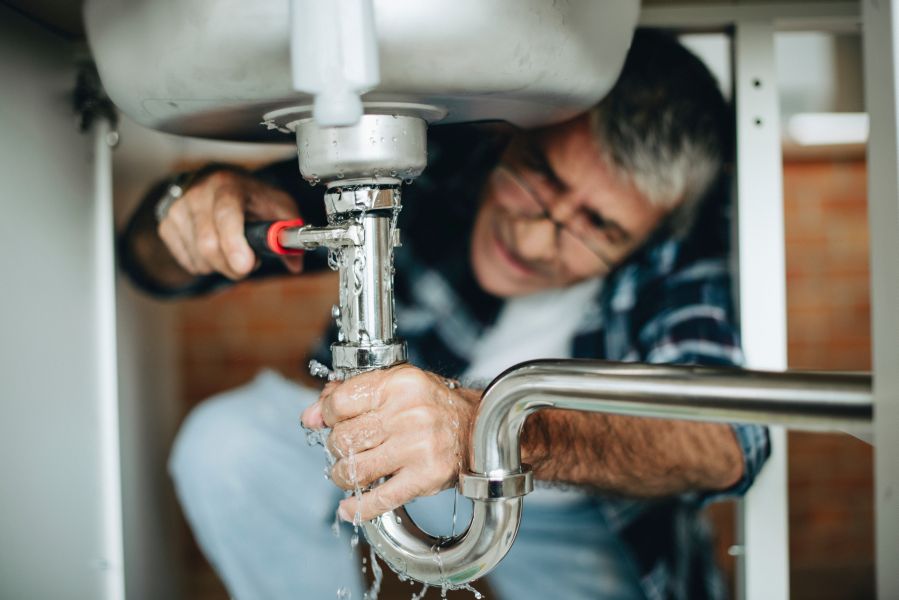
Replacing a faucet? Go for it. Moving your toilet six feet to the left or tapping into the main sewer line? Nope. Major plumbing changes involve venting and slope requirements that are strictly regulated. Doing this yourself can lead to "backflow issues" (which is a polite way of saying your living room smells like a septic tank).
Why the "Permit Police" Actually Care
It’s not just about the city wanting your permit fees (though they do like those). It’s about Safety and Resale Value. If you do a project without the necessary permit, you might have to tear it all out to show the city inspector. For non-ode work, your insurance might refuse to pay if a fire or flood happens. And for the "Hack" Jobs, well, future buyers will ask for massive credits once we find the errors.
The Strouse Home Inspection Tip
Before you start any major project, call your local building department and ask: "Do I need a permit for this?" If the answer is yes, you probably need a licensed pro to do the work.
If you’ve already done some work and you’re worried it might not be up to snuff, give us a call! A Pre-Listing Inspection or a Maintenance Inspection can help catch those "whoopsie" moments before they become a legal nightmare.
By Strouse Home Inspections Staff 1-1-2026